DANÇA E PSICOLOGIA // CONVERSAS TEMÁTICAS INTERARTES E INTERDISCIPLINAS

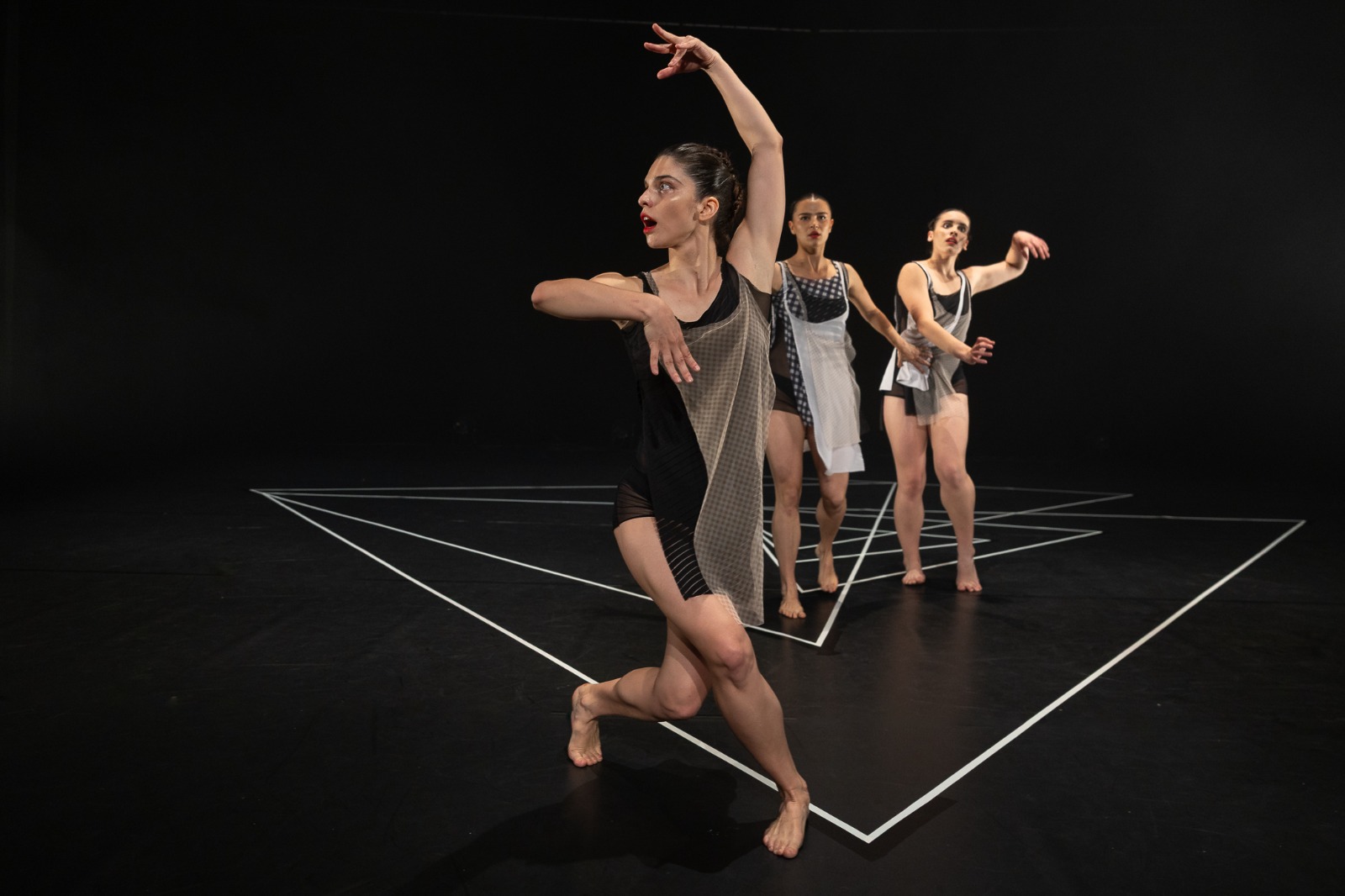
On 28 November, at 4 pm, at Espaço Agra in Porto, the Interarts and Interdisciplines Thematic Conversations of NuIsIs ZoBoP close the 2026 cycle with an encounter between dance and psychology around "Quando Vem a Taciturna de Limiar em Limiar o Presente Frágil", this year's creation. The cycle is part of the research project "Dança e Filosofia: Ética, Raízes e Horizontes do Presente Frágil", in which the company studies dance as a philosophical, ethical and political site.
"How to dance upon ruins, to exhume ravaged archaeologies, exhaling and distilling melancholies and nostalgias in communion?" Freud imagines a Rome in which no phase of the city had disappeared, all existing simultaneously, in which, as a rule, nothing that has taken shape perishes. Psychic ruin can be inhabited in two ways. In mourning, the world becomes poor and empty. In melancholia, the shadow of the object falls upon the ego. The melancholic knows whom they have lost, yet ignores what the loss reveals. The Taciturna dances upon that ignorance, in a palimpsest that continues to bleed.
In the game Freud observes in his eighteen-month-old grandson, a wooden reel tied to a string disappears and returns. The mother's absence, which the child bears without crying, is converted into a movement that is performed and begun again. Between the hand and the reel opens up Winnicott's potential space, the intermediate zone that belongs neither to the inside nor to the outside, and where play and the experience of the real are born. The body that the Taciturna leads from threshold to threshold inhabits this indecision, "an evanescent eidos between becoming and immutability".
Freud moves from the reel to the repetition compulsion, which leads the subject back to what caused them displeasure. From there he arrives at the death drive, the tendency of all living things to return to the inanimate state from which they came. Between the repetition that the clinic listens to and the "unrepeatable moments that cannot be cancelled by terror" that the synopsis asks of dance, the conversation brings together Hugo Calhim Cristóvão, choreographer and philosopher, and Joana von Mayer Trindade, choreographer and psychologist, artistic directors of NuIsIs ZoBoP, with Carla Corsello, psychologist, Paulo Azevedo, psychologist, and Ezequiel Santos, psychotherapist and director of Forum Dança.