Queremos muito Miles
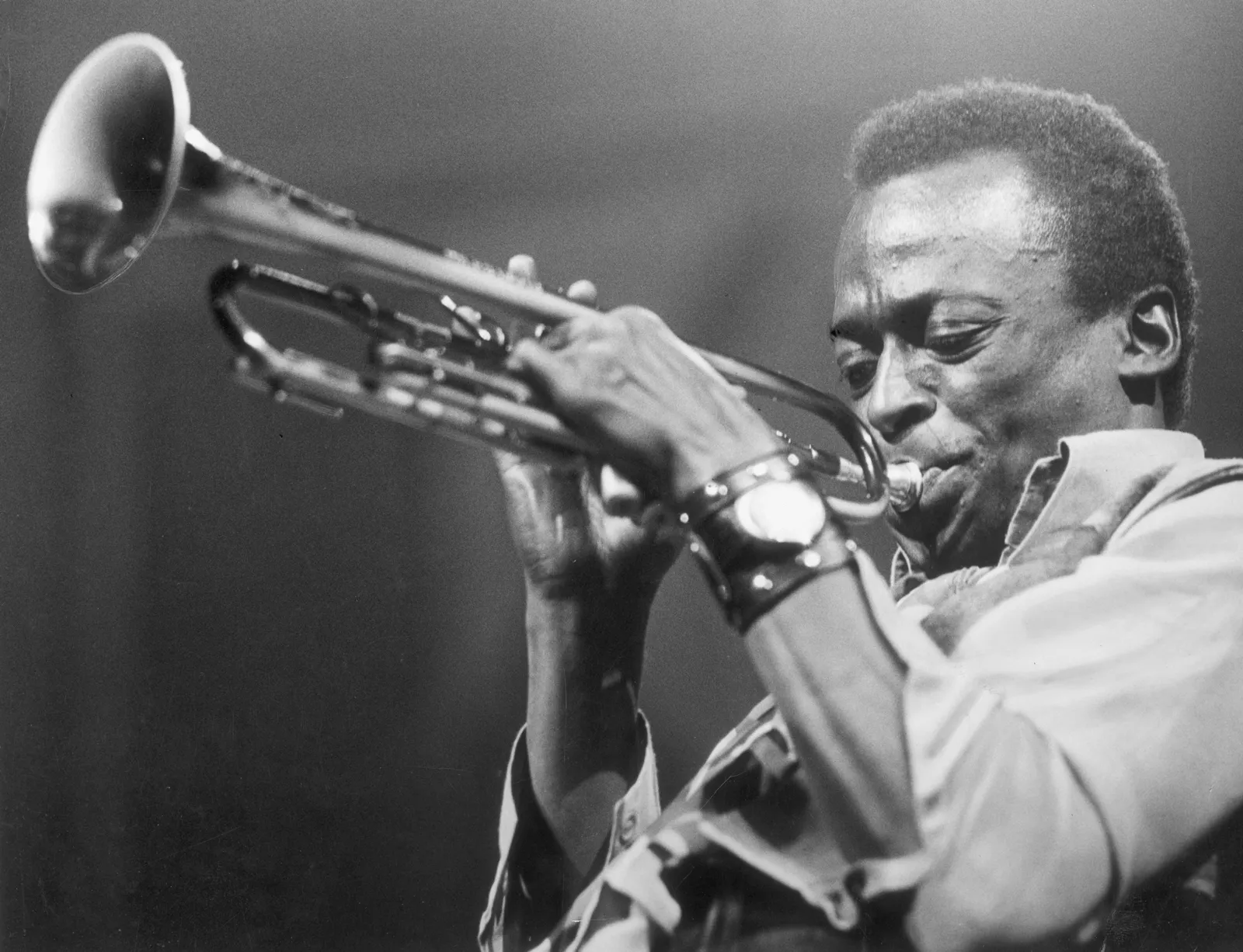
Miles Davis would have turned 100 in 2026. And we want So Much Miles.
Next Sunday (May 24), RTP Antena 3 takes over RCA for a special live broadcast filled with conversation, records, stories, and a performance by Azar Azar, pulling Miles into other galaxies altogether. Luís Oliveira hosts the broadcast, all you have to do is show up! Free entry, starting at 4:00 PM.
Sérgio Alves, better known as Azar Azar, is a producer, composer, and keyboard player. He blends jazz, hip-hop, afrobeat, funk, and electronic music. After working with names such as Groovelvets - the band accompanying Marta Ren, Virtus, and Minus & MRDolly - he developed his own artistic identity, which eventually became Azar Azar.
Why do we want Miles?
Miles Davis was one of the great innovators of the twentieth century because he never accepted jazz as a dark, closed room. He played as though he were redesigning the air itself. Few notes, lots of space, and an almost architectural sense of sound. Instead of displaying virtuosity, he turned restraint into a form of authority. He was bebop, cool jazz, hard bop, modal, electric, funk - almost hip-hop before its time.
The clothes, the posture, the album covers, the silence between phrases, the way he entered and exited the stage - everything about Miles was language, making him a radical aesthete. He understood early on that modernity was not only in harmonies, but in attitude. Kind of Blue is not just a jazz album; it is a way of being in the world. Bitches Brew is not just fusion; it is an electric city. The musician born in Illinois was also always a difficult figure - at times brutal and contradictory - marked by behaviour that today would rightly be scrutinised and might even make him “cancelable.”
Miles carried within him an uncomfortable tension: on one side, the genius opening aesthetic doors; on the other, the man who does not always deserve moral absolution. There is no point in polishing the biography just to preserve the myth. Perhaps the best way to look at him is to accept that friction. Miles showed that Black music could be sophisticated, popular, experimental, sensual, political, and futuristic. It could be all of these things - all at the same time.
Next Sunday (May 24), RTP Antena 3 takes over RCA for a special live broadcast filled with conversation, records, stories, and a performance by Azar Azar, pulling Miles into other galaxies altogether. Luís Oliveira hosts the broadcast, all you have to do is show up! Free entry, starting at 4:00 PM.
Sérgio Alves, better known as Azar Azar, is a producer, composer, and keyboard player. He blends jazz, hip-hop, afrobeat, funk, and electronic music. After working with names such as Groovelvets - the band accompanying Marta Ren, Virtus, and Minus & MRDolly - he developed his own artistic identity, which eventually became Azar Azar.
Why do we want Miles?
Miles Davis was one of the great innovators of the twentieth century because he never accepted jazz as a dark, closed room. He played as though he were redesigning the air itself. Few notes, lots of space, and an almost architectural sense of sound. Instead of displaying virtuosity, he turned restraint into a form of authority. He was bebop, cool jazz, hard bop, modal, electric, funk - almost hip-hop before its time.
The clothes, the posture, the album covers, the silence between phrases, the way he entered and exited the stage - everything about Miles was language, making him a radical aesthete. He understood early on that modernity was not only in harmonies, but in attitude. Kind of Blue is not just a jazz album; it is a way of being in the world. Bitches Brew is not just fusion; it is an electric city. The musician born in Illinois was also always a difficult figure - at times brutal and contradictory - marked by behaviour that today would rightly be scrutinised and might even make him “cancelable.”
Miles carried within him an uncomfortable tension: on one side, the genius opening aesthetic doors; on the other, the man who does not always deserve moral absolution. There is no point in polishing the biography just to preserve the myth. Perhaps the best way to look at him is to accept that friction. Miles showed that Black music could be sophisticated, popular, experimental, sensual, political, and futuristic. It could be all of these things - all at the same time.