Workshop BUTOH – Yuko Kominami
workshop
nuisis zobop
Estúdio 2
09-11.10
10h00
sign-up now!
From October 9 to 11, from 10:00 am to 2:00 pm, the
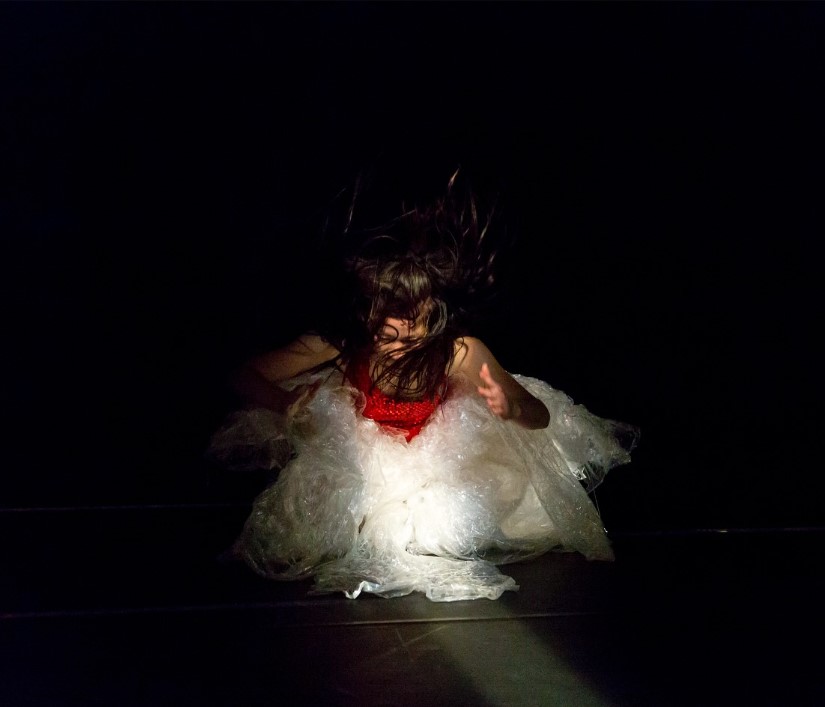
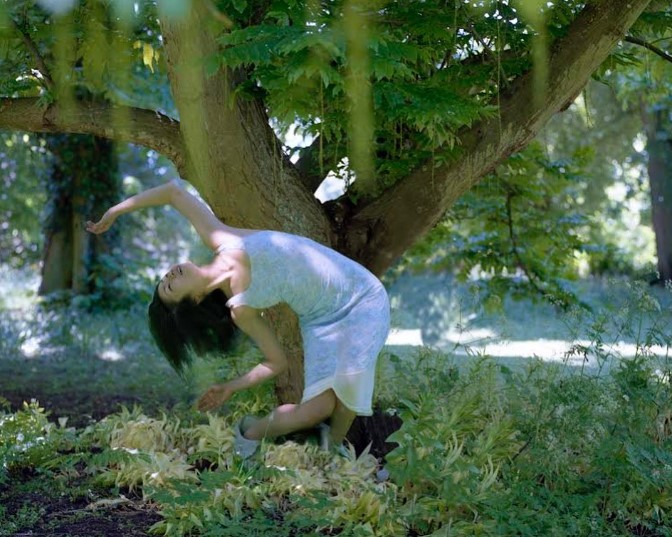
Nuisis Zobop Center for Creation and Research at Espaço Agra welcomes Japanese choreographer and dancer Yuko Kominami for an intensive Butoh workshop. Butoh is a dance form that emerged in post-war Japan and spread worldwide in the 1970s. Created by Tatsumi Hijikata in the 1950s, Butoh was also inspired by avant-garde movements such as expressionism, surrealism, constructivism, among others. It is the result—more philosophical than artistic—of the convergence of two completely opposite and strikingly anachronistic cultures: the Western, shaped by the American ideology of the 1950s, and the Eastern, rooted in centuries of pure Japanese tradition. “Fog, pollen, ghost, and smoke are elements that may hold the keys to the process of evaporation — the process of disappearing. Going through this process means moving toward ‘something that is disappearing and being born at the same time’ (Natsu Nakajima). This fragile, feeble body, which may collapse and transform at the slightest touch — is it a body in crisis? In this place of crisis, there is always a scent of Eros in the air. Can there be dance after the ruins? ‘The dead body that desperately remains standing, risking its very life’ (Tatsumi Hijikata) — a place of life where death lurks, and at the same time, a place of death where life flickers. It is from this space that a dance should be born. A dance that, by chance, surpasses the impossible. To investigate this fragile body in crisis, where dance may emerge with greater freedom, the workshop focuses on the elements fog, pollen, ghost, and smoke, applying different exercises of ‘becoming’ these elements.” — Yuko Kominami Supported by @dg.artes
Nuisis Zobop Center for Creation and Research at Espaço Agra welcomes Japanese choreographer and dancer Yuko Kominami for an intensive Butoh workshop. Butoh is a dance form that emerged in post-war Japan and spread worldwide in the 1970s. Created by Tatsumi Hijikata in the 1950s, Butoh was also inspired by avant-garde movements such as expressionism, surrealism, constructivism, among others. It is the result—more philosophical than artistic—of the convergence of two completely opposite and strikingly anachronistic cultures: the Western, shaped by the American ideology of the 1950s, and the Eastern, rooted in centuries of pure Japanese tradition. “Fog, pollen, ghost, and smoke are elements that may hold the keys to the process of evaporation — the process of disappearing. Going through this process means moving toward ‘something that is disappearing and being born at the same time’ (Natsu Nakajima). This fragile, feeble body, which may collapse and transform at the slightest touch — is it a body in crisis? In this place of crisis, there is always a scent of Eros in the air. Can there be dance after the ruins? ‘The dead body that desperately remains standing, risking its very life’ (Tatsumi Hijikata) — a place of life where death lurks, and at the same time, a place of death where life flickers. It is from this space that a dance should be born. A dance that, by chance, surpasses the impossible. To investigate this fragile body in crisis, where dance may emerge with greater freedom, the workshop focuses on the elements fog, pollen, ghost, and smoke, applying different exercises of ‘becoming’ these elements.” — Yuko Kominami Supported by @dg.artes
Workshop BUTOH – Yuko Kominami
workshop
nuisis zobop
Estúdio 2
09-11.10
10h00
sign-up now!
From October 9 to 11, from 10:00 am to 2:00 pm, the
Nuisis Zobop Center for Creation and Research at Espaço Agra welcomes Japanese choreographer and dancer Yuko Kominami for an intensive Butoh workshop. Butoh is a dance form that emerged in post-war Japan and spread worldwide in the 1970s. Created by Tatsumi Hijikata in the 1950s, Butoh was also inspired by avant-garde movements such as expressionism, surrealism, constructivism, among others. It is the result—more philosophical than artistic—of the convergence of two completely opposite and strikingly anachronistic cultures: the Western, shaped by the American ideology of the 1950s, and the Eastern, rooted in centuries of pure Japanese tradition. “Fog, pollen, ghost, and smoke are elements that may hold the keys to the process of evaporation — the process of disappearing. Going through this process means moving toward ‘something that is disappearing and being born at the same time’ (Natsu Nakajima). This fragile, feeble body, which may collapse and transform at the slightest touch — is it a body in crisis? In this place of crisis, there is always a scent of Eros in the air. Can there be dance after the ruins? ‘The dead body that desperately remains standing, risking its very life’ (Tatsumi Hijikata) — a place of life where death lurks, and at the same time, a place of death where life flickers. It is from this space that a dance should be born. A dance that, by chance, surpasses the impossible. To investigate this fragile body in crisis, where dance may emerge with greater freedom, the workshop focuses on the elements fog, pollen, ghost, and smoke, applying different exercises of ‘becoming’ these elements.” — Yuko Kominami Supported by @dg.artes
Nuisis Zobop Center for Creation and Research at Espaço Agra welcomes Japanese choreographer and dancer Yuko Kominami for an intensive Butoh workshop. Butoh is a dance form that emerged in post-war Japan and spread worldwide in the 1970s. Created by Tatsumi Hijikata in the 1950s, Butoh was also inspired by avant-garde movements such as expressionism, surrealism, constructivism, among others. It is the result—more philosophical than artistic—of the convergence of two completely opposite and strikingly anachronistic cultures: the Western, shaped by the American ideology of the 1950s, and the Eastern, rooted in centuries of pure Japanese tradition. “Fog, pollen, ghost, and smoke are elements that may hold the keys to the process of evaporation — the process of disappearing. Going through this process means moving toward ‘something that is disappearing and being born at the same time’ (Natsu Nakajima). This fragile, feeble body, which may collapse and transform at the slightest touch — is it a body in crisis? In this place of crisis, there is always a scent of Eros in the air. Can there be dance after the ruins? ‘The dead body that desperately remains standing, risking its very life’ (Tatsumi Hijikata) — a place of life where death lurks, and at the same time, a place of death where life flickers. It is from this space that a dance should be born. A dance that, by chance, surpasses the impossible. To investigate this fragile body in crisis, where dance may emerge with greater freedom, the workshop focuses on the elements fog, pollen, ghost, and smoke, applying different exercises of ‘becoming’ these elements.” — Yuko Kominami Supported by @dg.artes
tue.17.03
community
Horta do Agra: SPRING CROPS
fri.20.03
concert
SIR RICHARD BISHOP
sat.21.03
circus rehearsals
ALBATROZ